SCRIPTURE:
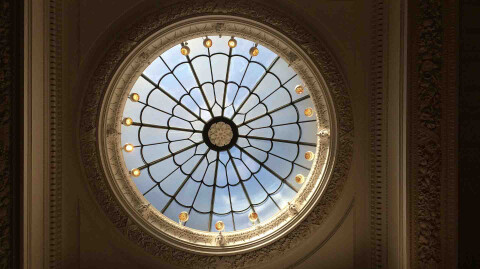
As the ark of the LORD was entering the City of David, Michal daughter of Saul watched from a window. And when she saw King David leaping and dancing before the LORD, she despised him in her heart.
2 Samuel 6:16
OBSERVATION:
Michal watched from a distance. David worshiped from a place of abandon.
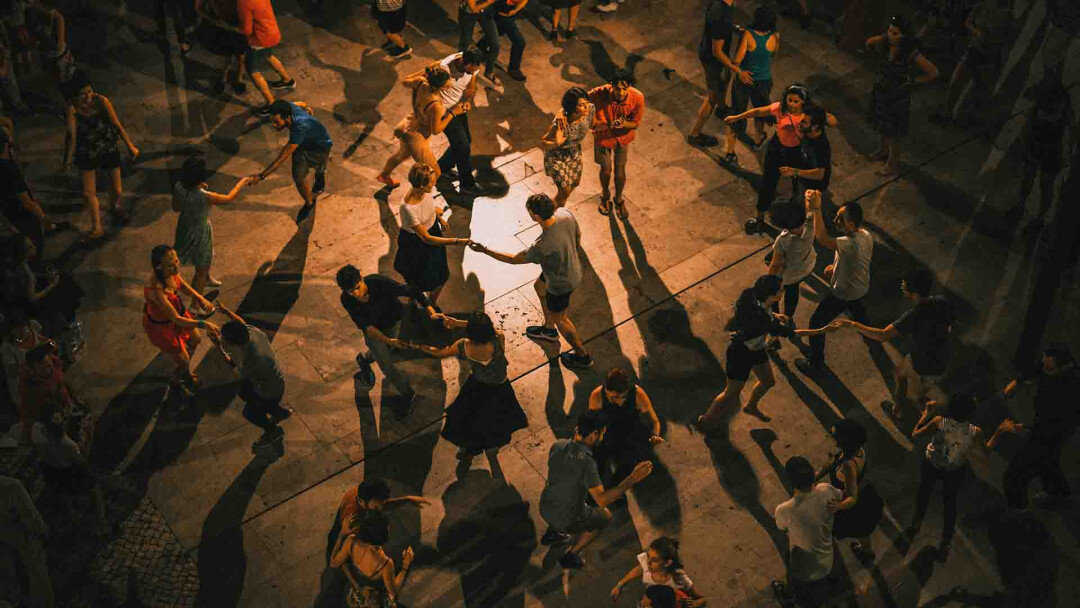
One stood at a window, observing. The other stood in the street, surrendering.
And somewhere in that contrast, I find myself.
I’ve been Michal, arms crossed in my heart, evaluating someone else’s expression of worship. Judging motives. Feeling discomfort at what sounded too loud and off key, looked too free, too undignified. There’s something in me that prefers control, that wants worship to stay reverant, respectable and regal.
But I’ve also been David, caught up in the joy of God’s presence, forgetting who’s watching, forgetting image, forgetting pride, forgetting how loud I’m sounding. Just responding. Just celebrating. Just overwhelmed that the presence of the Lord is near.
When David was confronted later, his response was simple and piercing: “It was before the LORD…” (2 Samuel 6:21). That’s the anchor and answer. Not before people.
Not for approval. Not for attention. Before the Lord.
That phrase exposes everything, both Michal’s posture and David’s.
Michal saw a man. David saw God.
Michal focused on appearance. David focused on presence.
Michal despised. David delighted.
APPLICATION:
The tension for me isn’t choosing between expressive worship and quiet reverence. It’s examining intent. Because outward expression can be misleading in both directions. Reserved worship can still be deeply authentic. Expressive worship can still be self-centered. So, the question becomes: Who is this really for?
There’s a kind of freedom that comes when worship shifts back into its proper audience. When it’s truly “before the Lord,” it doesn’t need to perform, and it doesn’t need to apologize either.
Yes, I want my life to point others to God, not myself. Yes, I want humility, not to draw attention to myself. But I also don’t want to become so self-aware and self-concious that I lose the awe and wonder.
David reminds me that there is a place for undignified joy in the presence of God. A kind of worship that values God’s nearness more than personal image.
And Michal warns me how easy it is to drift into distance, where observation replaces participation and criticism replaces celebration.
So maybe the application in this verse is twofold:
- Come out of the window.
- Check your why on the dance floor.
Worship fully. But worship truthfully. Because in the end, it’s not about how it looks. It’s about who it’s for.